
Health Topics
-

The Mineral Manganese
Although not commonly mentioned when referring to nutrients in the body, Manganese is an important trace mineral. This mineral was first considered to be a micronutrient in 1931. Although manganese is naturally-occurring, it is present only in very small amounts. Recommended Levels in the Body On average, an adult body contains about 15 to 20…
Filed under: Health Topics -
Molybdenum – A Micronutrient
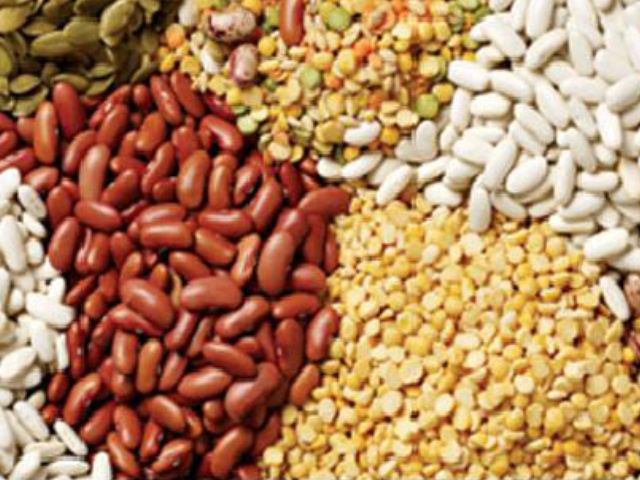
Molybdenum is among the less known minerals that are actually considered as good for the body. As a trace element, this mineral is considered as a micronutrient. In adults older than 18, it is recommended to have at least 45 mg of molybdenum everyday. Foods that are Rich in Molybdenum Foods that are good sources…
Filed under: Health Topics -
Vitamin B2: Riboflavin
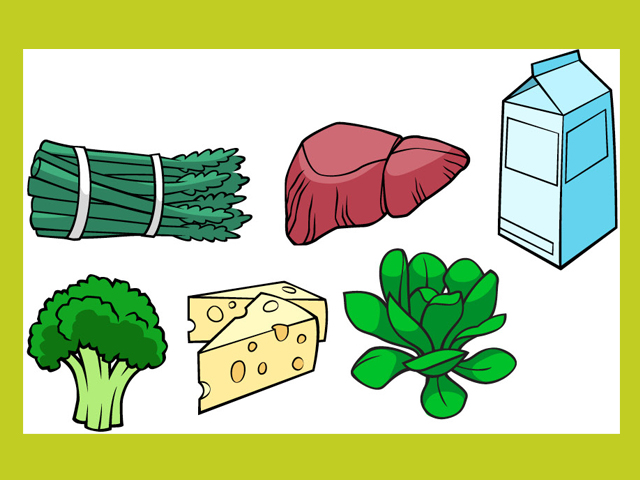
Riboflavin is another type of vitamin B. As with other types of vitamin B, riboflavin is also water-soluble. Because the body does not store this vitamin, it is necessary to keep replenishing it everyday. The recommended amount of riboflavin needed by the body each day is from 1.1 mg to 1.3 mg. This dosage is…
-

Vitamin B5: Pantothenic Acid
Pantothenic acid is also known as vitamin B5 and is one of the water-soluble vitamins. Since the body cannot store excess amounts of this vitamin, it is important that this is replenished by eating foods that contain a significant amount of pantothenic acid. Currently, there is no recommended daily allowance for pantothenic acid. However, experts…
-

Nutrition Basics: The Micronutrient Biotin
Biotin is an important micronutrient in the body. It is also known as Vitamin B7, Vitamin H or Coenzyme R. In low concentrations, Biotin is absorbed through facilitated transport. In high concentrations, it is absorbed through passive diffusion in the small intestines (the upper part). Biotin is a relatively stable micronutrient, as it does not…
-
All About Yogurt
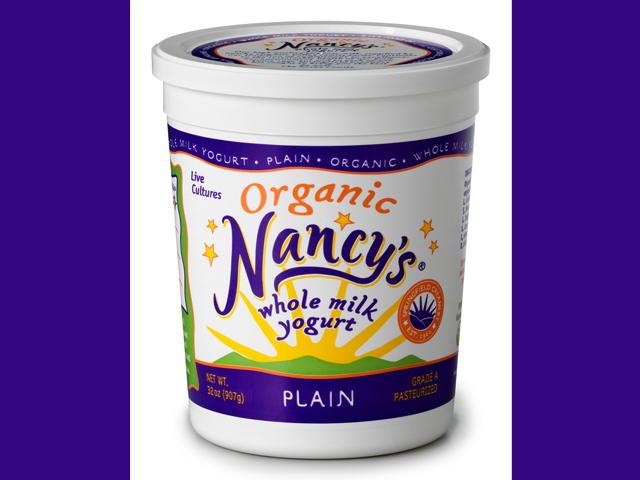
Yogurt has become one of the most common food items seen on the dairy-aisle display section. In some grocery stores, there is even a wider variety of yogurt displayed than traditional dairy products. What is a Yogurt? Yogurt is a type of food that is custard-like and has a tart flavor. It is prepared from…
-

Some Benefits of Eating Legumes
A legume is defined as a plant specie that has pods that split when it becomes ripe. Common examples of legumes include beans, peanuts, soybeans, lentils and peas. Legumes are one of the kinds of foods that provide a number of benefits to the body. Legumes Prevent Cravings of Food Corn syrup, which is high…
Filed under: Health Topics -

All About Nuts
Botanically speaking, a nut is defined as both the seed and the fruit. Following this definition, most nuts that we know and eat will not be classified as true nuts as they are actually the fruit of the trees they come from. However, the culinary definition of nuts is less strict as its botanical definition.…