
Natural & Organic
-

Artificial Preservatives in Food
Artificial preservatives are chemical substances that are added to food, either mixed in or sprayed on the product, in order to prevent discoloration, spoilage or bacterial contamination before it can be consumed. Almost all food preservatives are placed under the category of food additives. As defined by the government under the FD&C of 1938, a…
Filed under: Natural & Organic -

Possible Harmful Plastic Packaging Chemicals
Plastic food packaging such as food wrappers and cans contain at least one of two chemicals that are potentially harmful to the body: Bisphenol A and DEHP. These chemicals can mix into the food which can then enter the body. Bisphenol A (BPA) Bisphenol A, or BPA as it is more commonly known, is utilized…
Filed under: Natural & Organic -
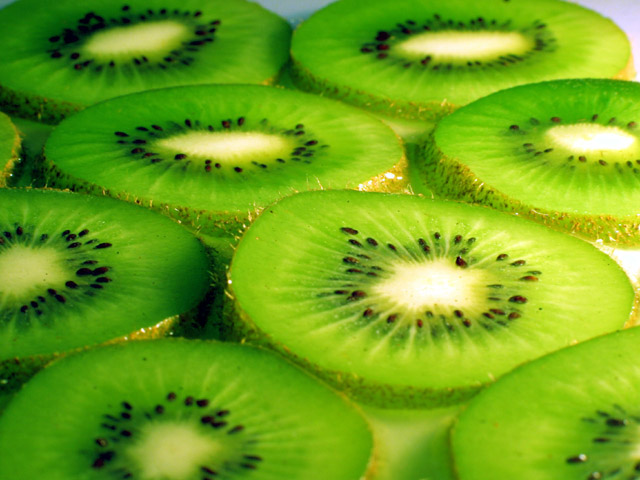
Nutrition in Kiwi
The kiwi is a kind of fruit that has its origins in China. In fact, this fruit was originally named the Chinese gooseberry. It was not until fruit growers from New Zealand renamed it for their country’s national bird that the fruit was known as kiwi. Choosing and Buying the Best Quality Kiwi A plump…
-

A Watermelon’s Benefits
Defined, the watermelon plant is considered an African vine. Its fruit, also known as the watermelon, is large and edible, with a rind that is hard green in color. The flesh of the watermelon fruit is watery pink or reddish pink. Watermelons can be found in many countries in the world and thus is readily…
-

An Apple A Day
An apple is the fruit of the Apple tree, which has its origins in Asia and is included in the species Malus domestica and Rosaceae family. Because of its nutritional benefits, the apple tree is one of the most cultivated tree fruits in the world. Varieties of Apples There are many kinds of apples. Some…
-

Carrots and Nutrition
A carrot is a Eurasian biennial plant that is cultivated worldwide because of its edible taproot. This root crop is considered a vegetable and is described as elongated, fleshy and orange-colored. Different Types of Carrots Most people only know one type of carrot. However, there are actually many types. Here are a few that you…
-

Basic Facts About Organic Foods
Organic foods are grown or produced without the use of modern synthetic processes or products. For instance, produce that has been grown without the use of chemical fertilizers and synthetic pesticides are considered as organic produce. Foods that are not genetically modified are considered organic, as are foods that have not been processed using industrial…
-

The Benefits of Eating Raw Foods
Eating raw food is not a new thing, especially in countries in Asia where most meals are not cooked in any way. Though an uncommon practice in a number of countries, eating raw foods actually has a number of benefits to the body. The Body is Able to Obtain the Food’s Full Nutritional Content Because…