
Nutrition
-

Vitamin B1: Thiamin
Thiamin is also known as vitamin B1. It is among the first compounds known as a water-soluble vitamin. Another names for this water-soluble vitamin is Thiamine. For children and teenagers (until 13-years old), the recommended daily intake of Thiamin is at a maximum of 0.9 mg. For people who are 19-years old and above, the…
Filed under: Health Topics -

Iodine and Nutrition
Iodine is an essential mineral micronutrient for the body. The recommended daily intake of iodine for men and women 19-years old and older is 150 μg everyday. Functions of Iodine in the Body Iodine is primarily needed for producing thyroid hormones. These hormones control the metabolism of energy. Iodine prevents goiters. It also prevents cretinism,…
Filed under: Health Topics -

Fluoride as a Micronutrient
Fluoride is an element that is naturally-occurring and was once considered a micronutrient for the body. However, with new facts coming to light, it has been found that fluoride may actually do more harm than good in the body. Fluoride in Water During the 1940s, it was normal occurrence for fluoride to be added to…
Filed under: Health Topics -

The Micronutrient Choline
Another substance important in the body is choline. Although relatively unfamiliar as compared to other known micronutrients, choline plays a very important role in the body. It is almost the same as B-vitamins. It is even often lumped with this vitamin group. Although choline can be produced in the body, it is still important to…
Filed under: Health Topics -
Nutrition and Fiber
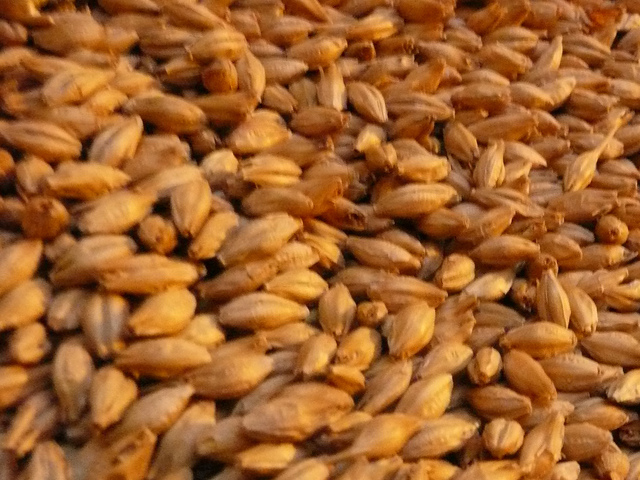
Fiber can be found in a plant’s cell wall and acts like a skeleton in order for the plant to maintain its structure and shape. When taken in by the body, these fibers remain undigested because enzymes in the body are unable to digest it. Instead, fiber just passes through the intestines. Fiber adds mass…
Filed under: Health Topics -
Molybdenum – A Micronutrient
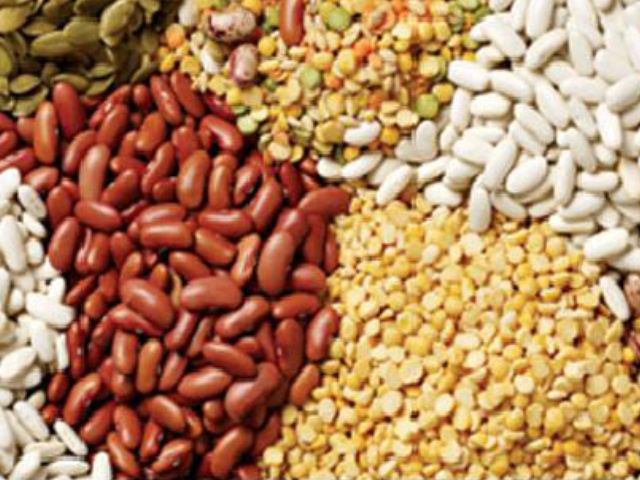
Molybdenum is among the less known minerals that are actually considered as good for the body. As a trace element, this mineral is considered as a micronutrient. In adults older than 18, it is recommended to have at least 45 mg of molybdenum everyday. Foods that are Rich in Molybdenum Foods that are good sources…
Filed under: Health Topics -

The Mineral Manganese
Although not commonly mentioned when referring to nutrients in the body, Manganese is an important trace mineral. This mineral was first considered to be a micronutrient in 1931. Although manganese is naturally-occurring, it is present only in very small amounts. Recommended Levels in the Body On average, an adult body contains about 15 to 20…
Filed under: Health Topics -
Vitamin B2: Riboflavin
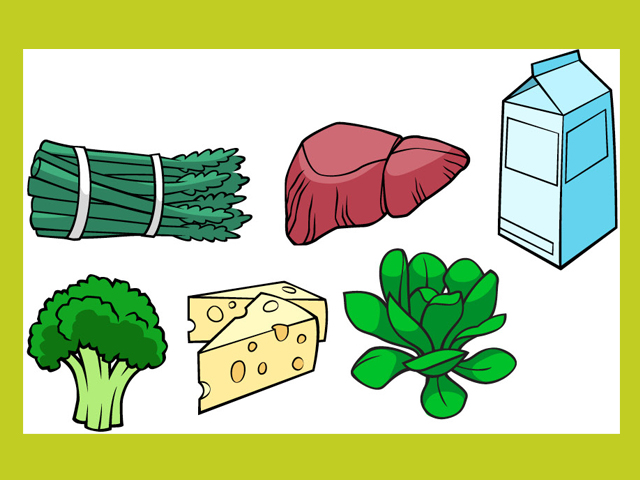
Riboflavin is another type of vitamin B. As with other types of vitamin B, riboflavin is also water-soluble. Because the body does not store this vitamin, it is necessary to keep replenishing it everyday. The recommended amount of riboflavin needed by the body each day is from 1.1 mg to 1.3 mg. This dosage is…