

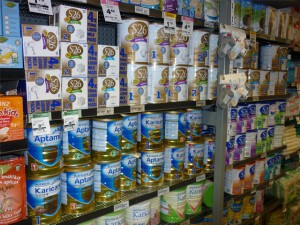
An infant formula is a breast milk substitute for infants and milk-feeding babies. Breast milk substitute is a common grocery item because more and more parents are turning to this product in feeding their babies.
Infant Formula Classes
Infant formulas are classified into three classes: soy-based formulas, milk-based formulas and special formulas.
Soy-based infant formulas are created using soy protein. This formula is usually added with vegetable oils (a source of fat calories) and corn syrup or sucrose (a source of carbohydrates). These formulas are ideal for infants or babies who are lactose-intolerant or are allergic to protein taken from cow’s milk. Milk-based formulas are created using cow milk, vegetable oils, minerals and vitamins. This is the most commonly bought infant formula and are perfect for healthy full-term infants. Special formulas are created for infants or babies who had low weights when they were born, those that are restricted from salt intake and those who are allergic to casein or whey in milk-based infant formulas. If an infant has a rare medical condition, special formulas may be advised by the doctor in order to help address the infant’s condition.
When Infant Formula is the Preferred Choice?
There are cases when doctors or other mothers, advise new mothers to use infant formula for their babies. When the mother does not have enough breast milk for her baby, or the baby is unable to suckle the breast adequately, infant formula may be recommended by the doctor. When the mother is unable to quantify the amount of breast milk consumed by the baby, then an infant formula is also advised. Also, when there is a possibility of drug transfer from mother to infant via breast milk, the doctor will most often advise the use of infant formula. The most common reason for using formula is when mothers need to leave their infants in order to work.
Are Infant Formulas Better?
Although infant formulas are a big help to both baby and mother, breast milk is still the best option. In fact, pediatricians usually advise mothers to exclusively breastfeed for full term and healthy infants. Breastfeeding should be implemented for a healthy infant’s first 6 months, as breast milk contains all the necessary nutrients that a developing infant needs. However, if it is not possible for mothers to breastfeed all the time, then an infant formula that has the correct amounts of carbohydrate, fat, minerals, water, protein and vitamins is also a good option.



Leave a Reply