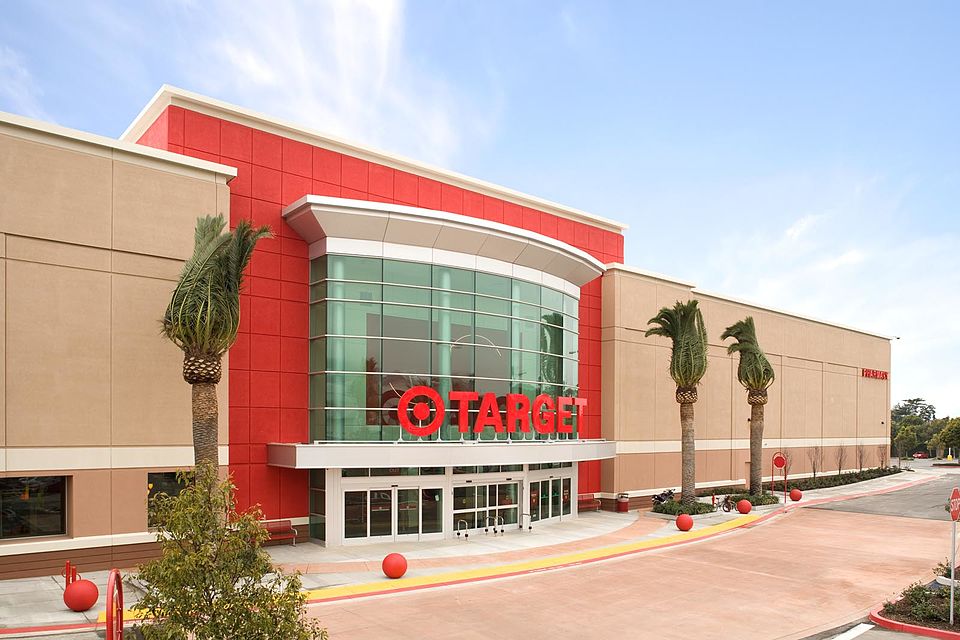
Target is one of the largest general merchandise retailers in the United States, with a strong national presence and a growing grocery business. The chain is known for its “cheap-chic” positioning, combining value-oriented pricing with a more polished shopping experience than many big-box rivals. It sells a mix of food, household goods, apparel, beauty, electronics, baby products, and seasonal merchandise.
The company has become a major omnichannel retailer, with stores, pickup, delivery, and digital services all playing a central role in its business. Target is especially recognized for its private-label brands, broad appeal to middle-income shoppers, and its ability to blend style, convenience, and value.
History
Target’s roots go back to 1902, when the Dayton Dry Goods Company was founded in Minneapolis. The Target name was introduced in 1962 with the opening of the first Target store in Roseville, Minnesota, as a discount retail concept aimed at offering quality merchandise at lower prices.
Over time, the company expanded across the U.S. and evolved from a discount chain into a major national retailer with a stronger design and merchandising identity. A key turning point came in the 1990s and 2000s, when Target sharpened its brand around private labels, store design, and customer experience. In recent years, the company has invested heavily in fulfillment, digital ordering, and store modernization to support changing shopping habits.
Operations & Footprint
As of 2026, Target operates nearly 2,000 stores across the United States and remains concentrated in suburban and urban markets nationwide. Its store base includes larger-format locations as well as smaller urban stores designed for convenience and local shopping patterns.
Target is headquartered in Minneapolis, Minnesota, and is publicly traded on the New York Stock Exchange. Its operations are supported by a large supply chain, distribution network, and extensive fulfillment infrastructure, which help it manage both in-store and online demand.
Products, Services & Merchandising
Target’s product mix includes groceries, home goods, apparel, health and beauty products, baby items, electronics, toys, and seasonal merchandise. Grocery has become increasingly important, especially in categories such as beverages, snacks, frozen foods, dairy, and household essentials.
Private label is a major strength. Brands such as Good & Gather, Up & Up, Cat & Jack, Threshold, and Hearth & Hand with Magnolia help define the company’s identity and support margins. Target generally follows a value-plus strategy rather than a pure discount model, offering competitive prices while maintaining a more curated merchandise mix than many rivals.
The company has also built a strong digital ecosystem, including same-day delivery, Drive Up, Order Pickup, and online shopping. Its loyalty and membership platforms have become increasingly important as Target works to deepen customer engagement and improve convenience.
Work Environment & Employment
Target is one of the larger private employers in U.S. retail and offers jobs across stores, distribution centers, corporate offices, and technology teams. It is often seen as a more structured retail employer than some discount peers, with a reputation for organized store operations and a strong emphasis on guest service.
Pay, benefits, and advancement opportunities vary by role, but Target is generally considered a competitive employer within the retail sector. The company has also invested in training and internal mobility, which makes it attractive to workers who want to build careers in store management, supply chain, merchandising, or corporate retail functions.
Financial Profile
Target is a publicly traded company and reports detailed financial results. In fiscal 2025, it reported net sales of about $104.8 billion and adjusted EPS of $7.57, down from $8.86 in the prior year. For the fourth quarter of 2025, the company reported net sales of $30.5 billion and adjusted EPS of $2.44. Target said its full-year 2026 net sales are expected to rise by about 2 percent, with adjusted earnings projected in a range of $7.50 to $8.50.
The company’s financial strengths include scale, strong private-label performance, and growing non-merchandise revenue streams such as advertising, membership, and marketplace sales. Its margins have been pressured by markdowns, product costs, and a softer discretionary sales environment, but its grocery and fulfillment business have helped stabilize performance. Target’s recent results show that food, beauty, toys, and digital services are becoming more important to its financial profile.
Competitive Landscape
Target competes with Walmart, Costco, Amazon, Kohl’s, and other mass-market and department retailers. In grocery, it also overlaps with supermarket chains on everyday essentials, particularly in urban and suburban areas where convenience matters.
Its key differentiator is its combination of value, style, and convenience. Unlike many competitors, Target has built a brand around curated merchandise and a cleaner shopping experience, which helps it appeal to shoppers looking for both practicality and design. The company’s strategic position increasingly depends on integrating stores, e-commerce, and fulfillment while protecting margins in a highly competitive retail environment.
Current Status & Outlook
As of 2026, Target remains a major U.S. retailer, but it is operating in a more challenging environment than in previous years. Management is focused on improving traffic, strengthening digital commerce, and growing categories such as food, beauty, and non-merchandise revenue.
The company’s outlook depends on its ability to balance value, convenience, and profitability while competing with Walmart and Amazon on one side and with premium retailers on the other. Target still has strong brand recognition and a loyal customer base, but future growth will likely depend on sharper execution, better inventory management, and continued investment in omnichannel retail.
Leave a Reply