
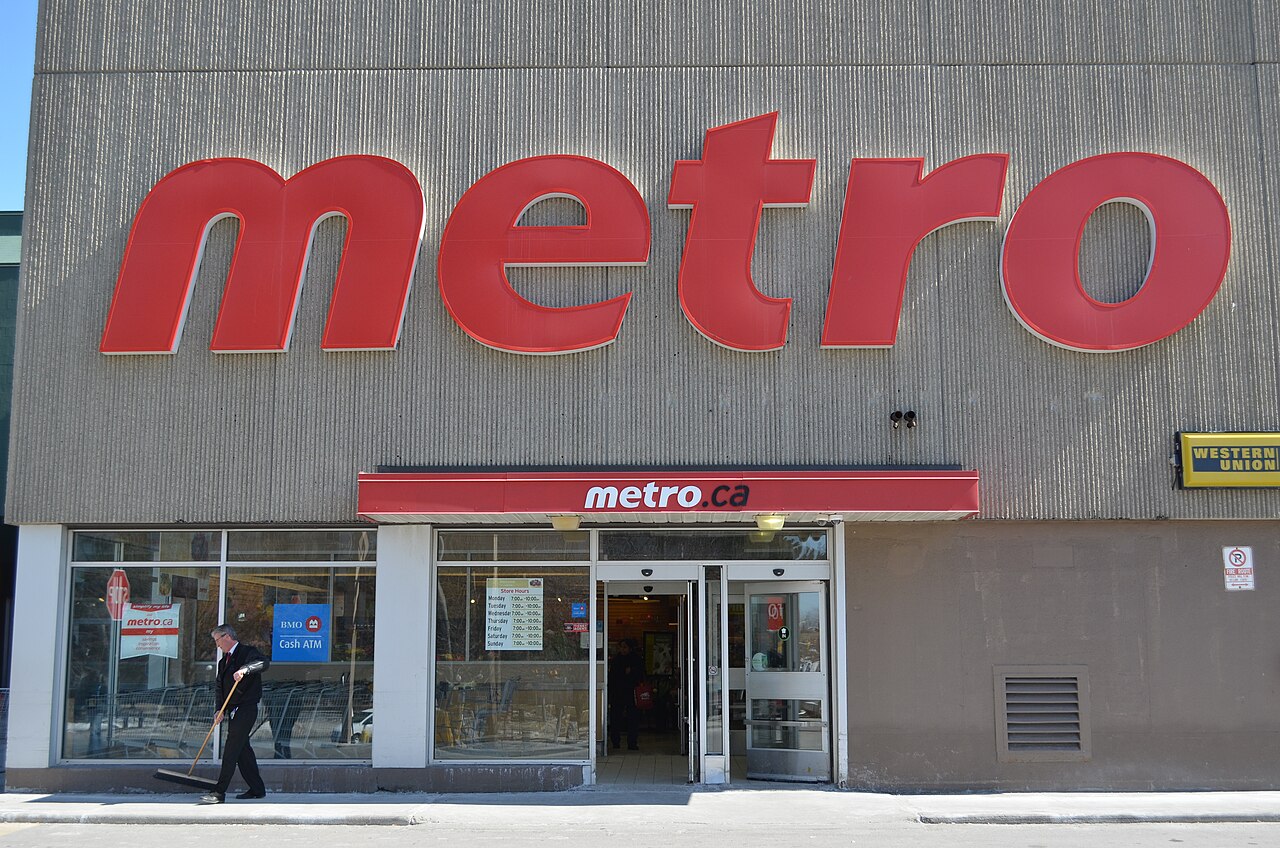
Metro is one of Canada’s major grocery and pharmacy retailers, with a strong presence in Quebec and Ontario. The chain is known for its combination of full-service supermarkets, discount stores, and pharmacy operations, giving it a broad reach across everyday food and health shopping. It serves customers through a mix of urban, suburban, and neighborhood formats that emphasize convenience, freshness, and local relevance.
The company is generally viewed as a disciplined, efficiently run grocer with a strong regional base rather than a coast-to-coast national giant. Its reputation rests on reliable operations, a well-developed private-label program, and a steady focus on grocery essentials and pharmacy-led customer traffic.
History
Metro traces its roots to 1947, when the company was founded in Quebec as a food wholesaling and retailing business. Over time, it expanded through organic growth and acquisitions, gradually building a larger retail network across Quebec and later Ontario. One of its defining turning points came in the 1990s and 2000s, when it consolidated multiple banners and strengthened its position as a leading grocer in Eastern Canada.
A major milestone was the company’s move into pharmacy retail through the acquisition of the Jean Coutu Group’s Quebec pharmacy business in 2018, which significantly expanded Metro’s health and wellness platform. This gave the company a stronger multichannel model and reinforced the role of pharmacy in its long-term strategy. Metro remains publicly traded and continues to operate as one of Canada’s most important grocery companies.
Operations & Footprint
As of 2026, Metro operates several hundred grocery stores and pharmacy locations, with the majority of its footprint concentrated in Quebec and Ontario. Its store network includes conventional supermarkets, discount stores, and a variety of pharmacy banners, allowing the company to target different price points and shopping missions.
The company is headquartered in Montreal, Quebec, and is publicly traded on the Toronto Stock Exchange. Its logistics and supply chain are built around large distribution networks that support both grocery and pharmacy retail. That operational structure gives Metro the scale needed to compete effectively while remaining focused on its core eastern Canadian markets.
Products, Services & Merchandising
Metro sells a wide range of groceries, including fresh produce, meat, seafood, bakery goods, dairy, frozen foods, pantry staples, and household items. Its pharmacy divisions add health, beauty, and wellness products, which broaden the company’s role in consumer spending beyond food alone.
Private label is a key part of Metro’s merchandising strategy. Brands such as Selection and Irresistibles are well known in Canada and help the company compete on both value and quality. Metro typically uses a mixed pricing model, balancing everyday grocery pricing, promotion, and a strong value message in its discount banners.
The company has also invested in online grocery ordering, delivery, and digital loyalty tools. These services are increasingly important as Canadian consumers expect faster, more flexible shopping options across both grocery and pharmacy channels.
Work Environment & Employment
Metro is one of Canada’s larger private-sector employers and offers jobs across store operations, distribution, pharmacy, merchandising, and corporate functions. Its size and regional concentration make it an important employer in Quebec and Ontario in particular.
The company is often regarded as a stable employer with clear operational processes and opportunities for advancement. As with many large grocers, employee experience can vary significantly by banner, region, and union environment. Workers are often drawn to Metro for steady retail employment, internal mobility, and access to one of the country’s more established grocery networks.
Financial Profile
Metro is a public company and reports regular financial results. Its revenue is in the tens of billions of Canadian dollars annually, making it one of the country’s top three grocery retailers. Growth has been supported by grocery demand, pharmacy expansion, and steady performance from private-label products.
The company’s financial strengths include efficient operations, strong margins relative to some peers, and a well-established regional market position. Its weaknesses are typical of the grocery sector: competitive pricing pressure, high operating costs, and the need to keep investing in digital and supply-chain improvements.
Competitive Landscape
Metro competes directly with Loblaw, Sobeys, Walmart Canada, Costco, and discount grocers such as Food Basics, Maxi, No Frills, and FreshCo. In Quebec, it also faces strong competition from regional and local players with deep customer loyalty.
Its key differentiator is its strong eastern Canadian identity and its ability to balance grocery and pharmacy retail in one corporate structure. Metro has positioned itself as a disciplined, customer-focused retailer with a reputation for execution, consistent merchandising, and a broad everyday essentials offering.
Current Status & Outlook
As of 2026, Metro remains a highly relevant Canadian grocer with a strong base in Quebec and Ontario. The company continues to emphasize operational efficiency, private-label growth, and integration between grocery and pharmacy retail.
Its future prospects depend on how well it can sustain value perception, expand digital services, and defend market share against large national rivals and discount chains. Metro’s focused regional strategy, however, gives it an advantage in markets where brand familiarity and customer loyalty matter.

Leave a Reply